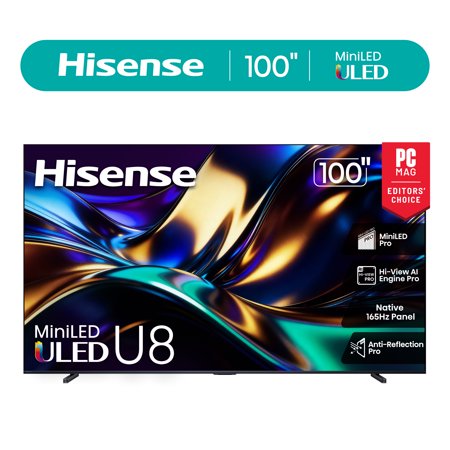
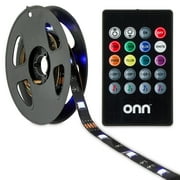
I did my homework, comparing various brands, models, and TV technologies. Then came the time to decide which TV would replace my old 60-inch Samsung 3D plasma from 2016. An OLED panel would have been the natural choice, but it was ruled out due to cost and, more importantly, the brightness of the room where I planned to install it. I concluded that this specific model met all my basic requirements—featuring new HDR technology, Dolby support, and so on. It has 2,048 local dimming zones. The 4.1.2 sound system is impressive; I tested it, and it's nearly as good as the setup I had connected to my old TV. And finally, there's the price. Knowing that this company is one of the few that manufactures its own panels—which it also supplies to major brands—I asked myself: why pay more just for a brand name? After visiting a few showrooms to compare picture quality, I didn't notice any significant difference, though the price difference is certainly clear. Now, the only remaining question is its durability—specifically, how many years the OS (Android TV) will be supported. If it's like smartphones, it will likely only receive updates for 7 or 8 years, much like other brands. I just hope the hardware outlasts the operating system. As for gaming, my children and grandchildren tested it with the latest-generation Sony and Nintendo consoles and found it to be very responsive—likely thanks to the 165Hz refresh rate. I suggest attaching an RGB LED light strip to the back of the TV; this helps soften the contrast between the screen and its surroundings in low-ambient-light conditions. It prevents glare on the screen, and your eyes will thank you. I should also clarify that this TV's features are best utilized with premium streaming service plans, which allow you to take full advantage of 4K picture and sound quality. As with any other TV brand, standard subscriptions only provide 1080p Full HD. In conclusion, I think it's an excellent option in terms of quality, features, and price.