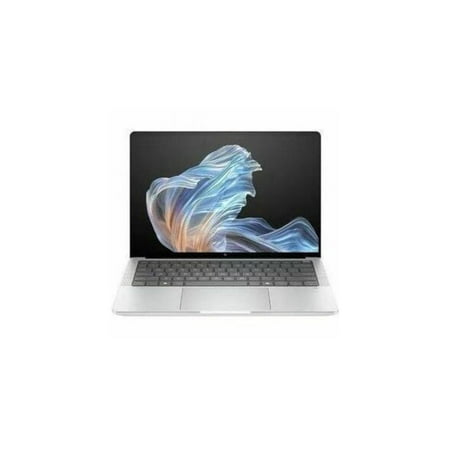
The EliteBook X G1(a/i/q) laptops are very high-quality and high-performance laptops. HP uses the aluminum body to act as a heatsink, resulting in the entire thing feeling warm to the touch when under a heavy load but resulting in less noise from the fans. Even under medium loads, it's only slightly warmer than ambient but whisper quiet. Picking it up, it just feels like a thick chunk of metal, providing instant confidence that it won't bend and won't easily break when dropped from handheld heights when standing and walking.
Note that the G1a variants have AMD processors, the G1i have Intel, and the G1q have Qualcomm.
While an ultra-premium laptop like this is very nice if it can be afforded, many can't or simply are looking for this level of performance in a more affordable level. If this is you, HP has the ProBook 4 G1a line that utilizes the more affordable AMD Ryzen 200 series CPU's that have smaller NPU's, i.e. less focus on AI performance. The fastest Ryzen 2xx model is going to be more than capable enough for the huge market segment that's just looking for the latest model business laptop with "pretty good" performance (four to eight core CPU's using the latest architecture, 16 or 32 GB of RAM, etc.).
Digressing, these have great webcams, speakers, and displays to round out the premium package. Some have touch displays and some don't, so be aware of that. System RAM is VERY fast at LPDDR5-8533 speeds and all are in dual-channel config from what I've seen, which is good as the Radeon iGPU sorely needs and relies on fast system memory to be performant.
I haven't had any issues with the MediaTek wireless card in my experience on Windows 11.
Works well on a HP Thunderbolt Dock G4 120W docking station. Using triple FHD (1080p) monitors with just an occasional ~2 sec all-screens-are-black a few times a week. Keeping chipset and graphics drivers up-to-date should help minimize or someday eliminate those issues.